What is heavy fabrication ?
- Heavy fabrication plays a vital role in modern manufacturing, especially in industries that depend on large, strong, and long-lasting metal structures.
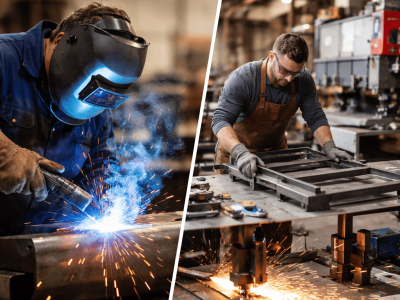
- In simple terms, fabrication means cutting, shaping, welding, and assembling metal parts to build useful products.
- Heavy fabrication is a more specialised version of this process.
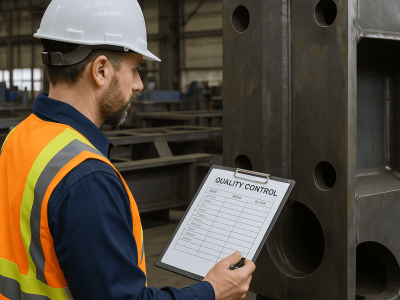
- It involves large, complex components that require powerful machines, skilled workers, and strict quality control.
- From power plant structures to machine frames, heavy fabrication helps build equipment that can withstand high stress, high temperatures, and long-term use.
- This guide provides a comprehensive overview of heavy fabrication, including its challenges and more
Best fabrication services by Cyclotron Industries. We offer high precision, fast and accurate fabrication solutions for any kind of metal applications
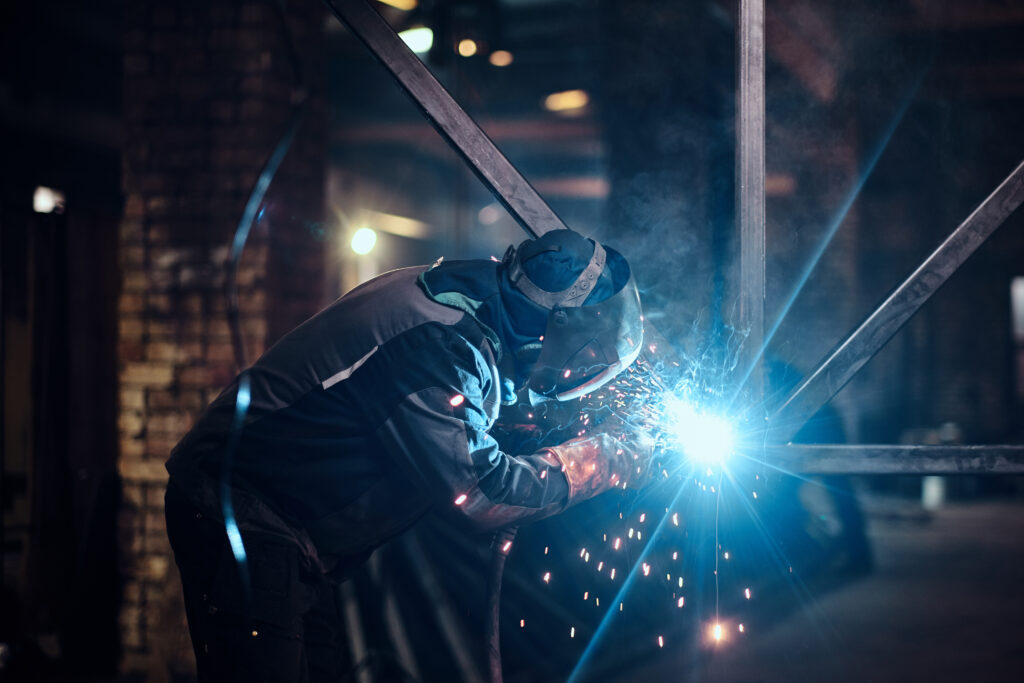
What is heavy fabrication?
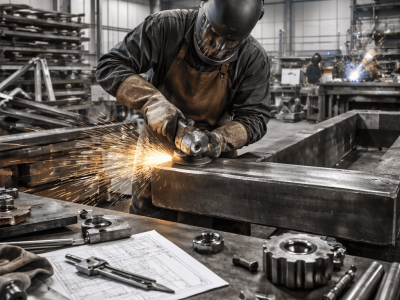
Heavy fabrication is the process of manufacturing large metal structures, assemblies, and equipment designed to withstand high loads and harsh working conditions.
Unlike light or medium fabrication, which deals with small or medium-sized parts, heavy fabrication involves components that are often several meters long, weigh many tonnes, and are made from thick metal plates.
What makes fabrication “heavy” is mainly the size, thickness, weight, and application of the components. These parts must withstand stress, vibration, pressure, and different environmental conditions. They are usually used in industries where safety and strength are critical.
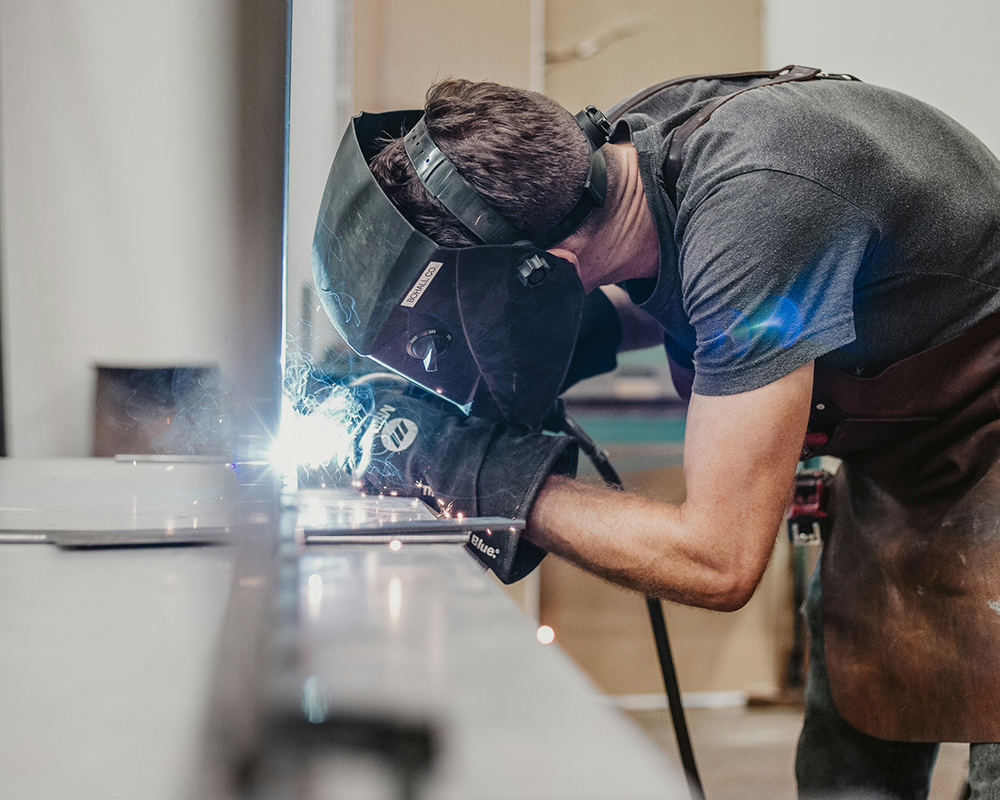
Common examples of heavy fabrication
- Machine bases and frames
- Pressure vessels and storage tanks
- Large structural beams
- Platforms, walkways, and industrial towers
- Material handling systems such as conveyors and hoppers
These structures demand strong engineering, specialised machines, and skilled technicians to ensure safe and reliable performance.
Materials used in heavy fabrication
- Mild Steel: MS is strong, affordable, and easy to weld. It is mainly used in general structures, frames, platforms, and industrial equipment.
- Alloy Steel: Alloy steel contains added elements such as chromium, nickel, and molybdenum to improve strength, heat resistance, and fatigue resistance. It is suitable for heavy-load and high-temperature applications.
- Stainless Steel (SS): Stainless steel is used when corrosion resistance is needed. Grades like SS 304 and SS 316 are popular for food processing, chemical plants, and marine applications.
- Aluminium: Aluminium is lightweight and corrosion-resistant. It is used in transport, aerospace, and special structural applications where weight reduction is essential.
Best fabrication services by Cyclotron Industries. We offer high precision, fast and accurate fabrication solutions for any kind of metal applications
Key processes in heavy fabrication:
Heavy fabrication is not a single step. It is a combination of several processes that turn raw metal plates into completed structures. Each step requires proper planning, skilled manpower, and accurate tools.
Cutting & Profiling
Cutting is the first stage of fabrication. For heavy fabrication, thick steel plates are typically used and cannot be cut with standard tools. Instead, industries use:
- Plasma cutting – Ideal for medium- to thick-plate applications with clean edges.
- Oxy-fuel cutting – It works well for very thick plates, especially for mild steel.
These methods help cut large plates into accurate shapes per the engineering drawing.
Forming & Rolling
After cutting, the next step is shaping the metal. Heavy plates cannot be bent on small machines, so large press brakes and rolling machines are used. These machines help form curves, cylinders, cones, and other shapes used in tanks, silos, ducts, and pressure vessels.
Welding
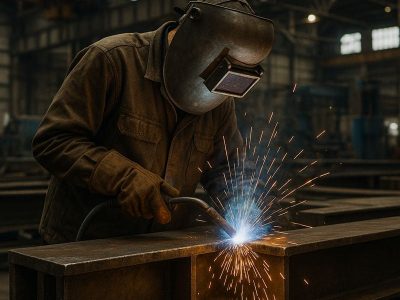
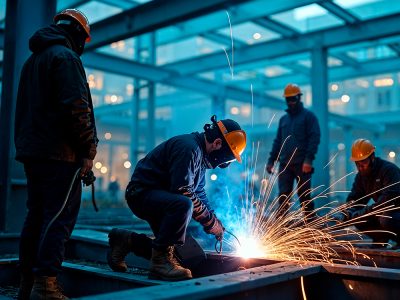
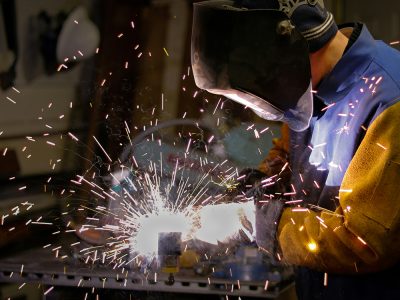
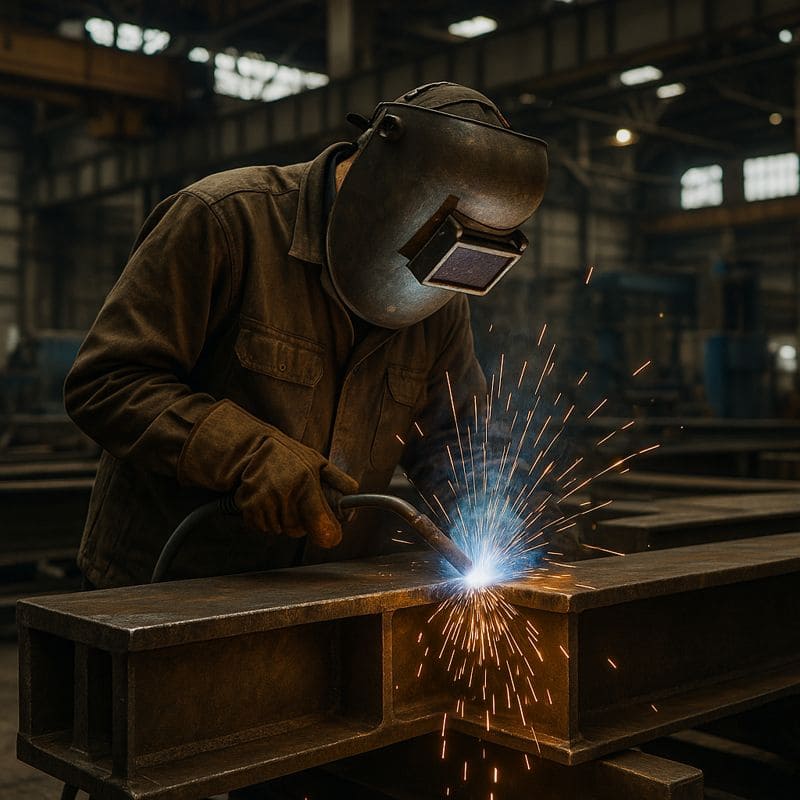
Welding is one of the most important parts of heavy fabrication. Since components must withstand high loads or pressure, welds must be strong, consistent, and defect-free. Common welding methods include:
- MIG welding – This is fast and suitable for many materials
- SAW (Submerged Arc Welding) – SAW is best for thick plates and long welds
- FCAW (Flux Cored Arc Welding) –It is Useful for outdoor or heavy-duty applications
Skilled welders play a big role in achieving the required strength and quality.
Machining & Drilling
After welding, the structure may need machining to achieve a perfect fit and accuracy. Machining ensures flatness, alignment, hole accuracy, and smooth finish. Large CNC machines, boring machines, and radial drills are used for this purpose.
Surface Treatment
The final stage is protecting the fabricated structure. This may include:
- Blasting – It removes the rust, scale, and impurities
- Painting or powder coating – This can protect against weather, moisture, and corrosion
- Heat treatment –It can improve the overall strength, hardness, and stress relief
These treatments increase the life and performance of the finished product.
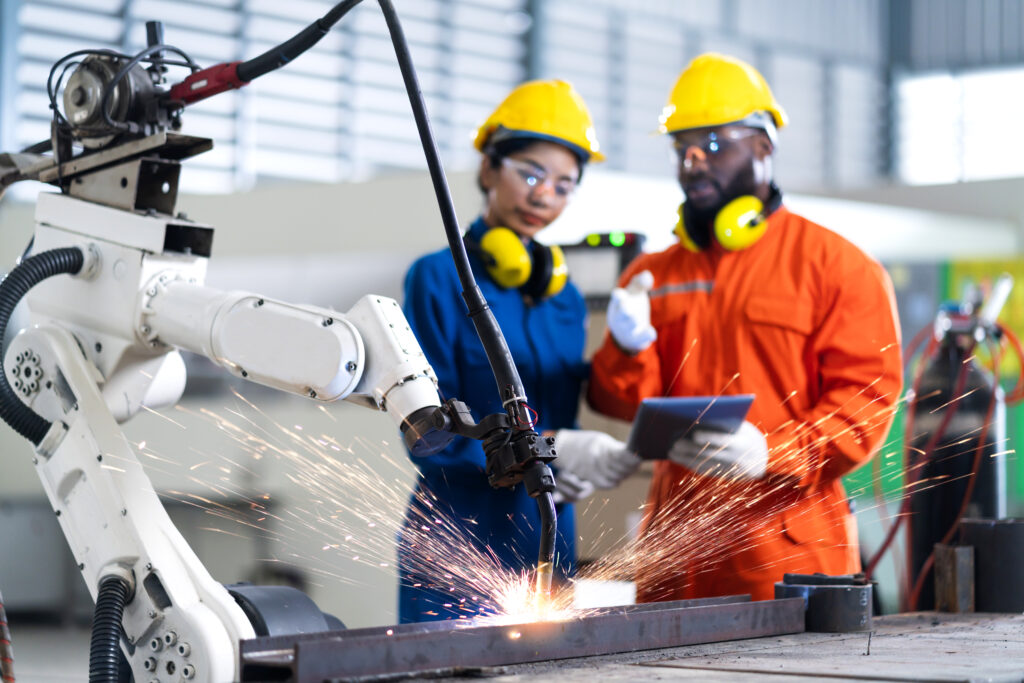
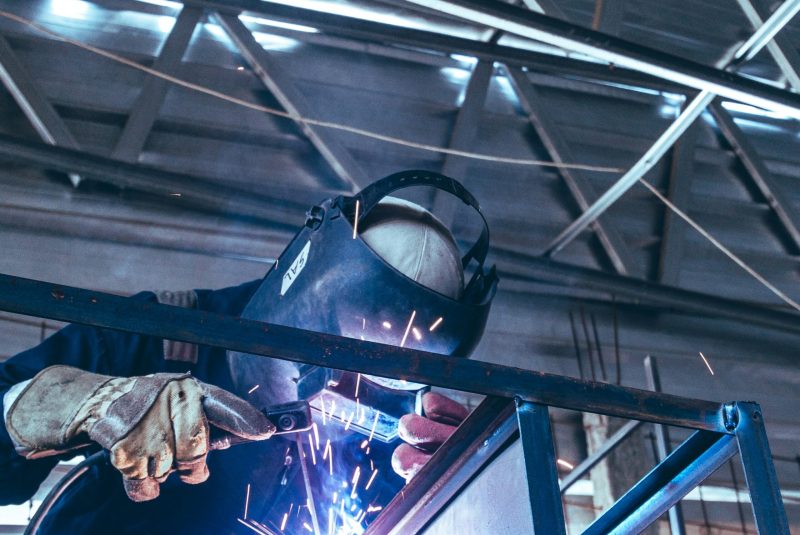
Best fabrication services by Cyclotron Industries. We offer high precision, fast and accurate fabrication solutions for any kind of metal applications
Applications of heavy fabrication
Heavy fabrication supports many major industries. It helps to build strong, reliable, and large-scale structures that keep factories and systems running safely.
1. Power Plants
Power plants, thermal, hydro, wind, or solar, need large steel structures, ducts, boilers, tanks, and support frames. Heavy fabrication ensures these components can handle pressure, heat, and long-term use.
2. Steel Plants & Process Industries
Heavy fabrication is not just a single term; it covers a wide range of industrial applications. The heavy fabrication meaning becomes clear when we look at sectors like cement, chemicals, fertilizers, oil and gas, and steel manufacturing. These industries depend on large and complex structures such as heavy ducts, pressure vessels, furnaces, chimneys, hoppers, and conveyors.
3. Construction & Infrastructure
It is used in Bridges, industrial buildings, walkways, structural platforms, and heavy towers, all of which rely on fabricated steel structures. Heavy fabrication enables the creation of strong, safe structures that support significant loads and last for decades.
4. Material Handling & Automation Systems
Industries use material handling equipment such as conveyors, cranes, hoppers, silos, and frames. These structures must be rigid, stable, and reliable, as they carry heavy loads of raw materials and finished goods.
Conclusion
Heavy fabrication supports industries that need strong, reliable, and accurate structures. The right mix of cutting, welding, and machining helps create equipment that stays durable for many years. If you want your next project to be smooth and high-quality, Cyclotron Industries is here to help with dependable engineering and fabrication services.
Cyclotron group clients
Best fabrication services by Cyclotron Industries. We offer high precision, fast and accurate fabrication solutions for any kind of metal applications