
Challenges in heavy fabrication work
Challenges in heavy fabrication work
In construction, mining, and automotive, metal fabrication has become an integral part of almost every modern manufacturing industry.
Despite the many benefits and wide applications of a flexible manufacturing process, heavy equipment fabrication often faces challenges.
Understanding these challenges in heavy fabrication is essential to ensure global quality, scalability, and profitability of the manufactured parts. Let’s quickly read this mini-guide to learn how to overcome these heavy fabrication challenges!
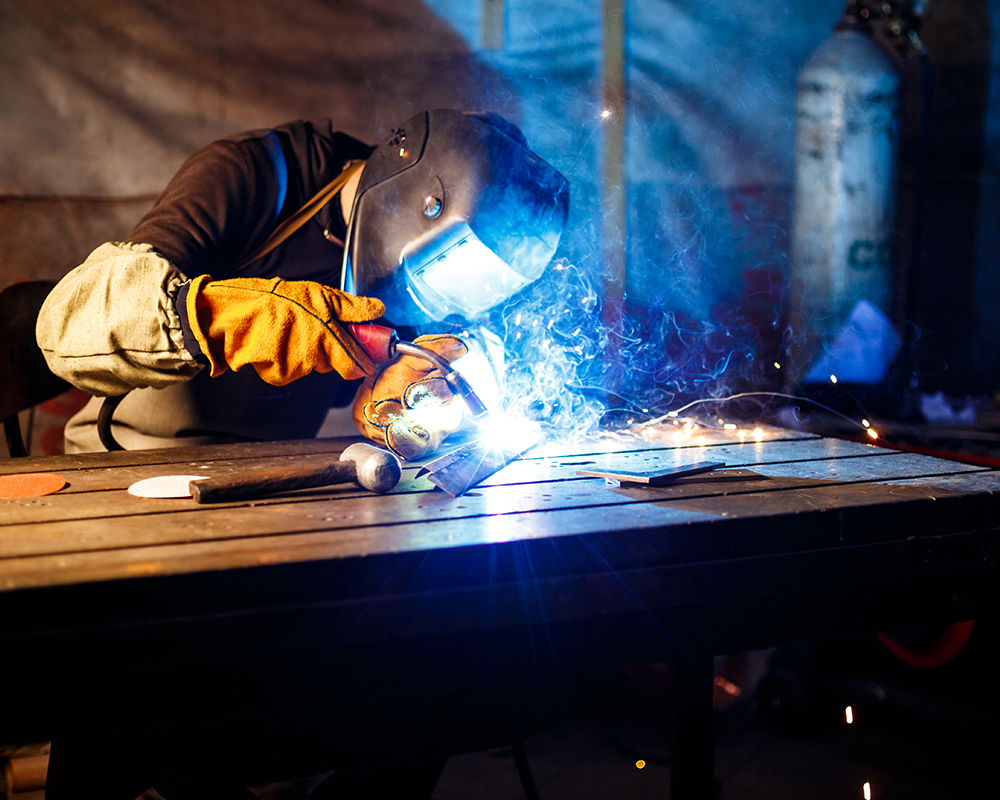
Best fabrication services by Cyclotron Industries. We offer high precision, fast and accurate fabrication solutions for any kind of metal applications
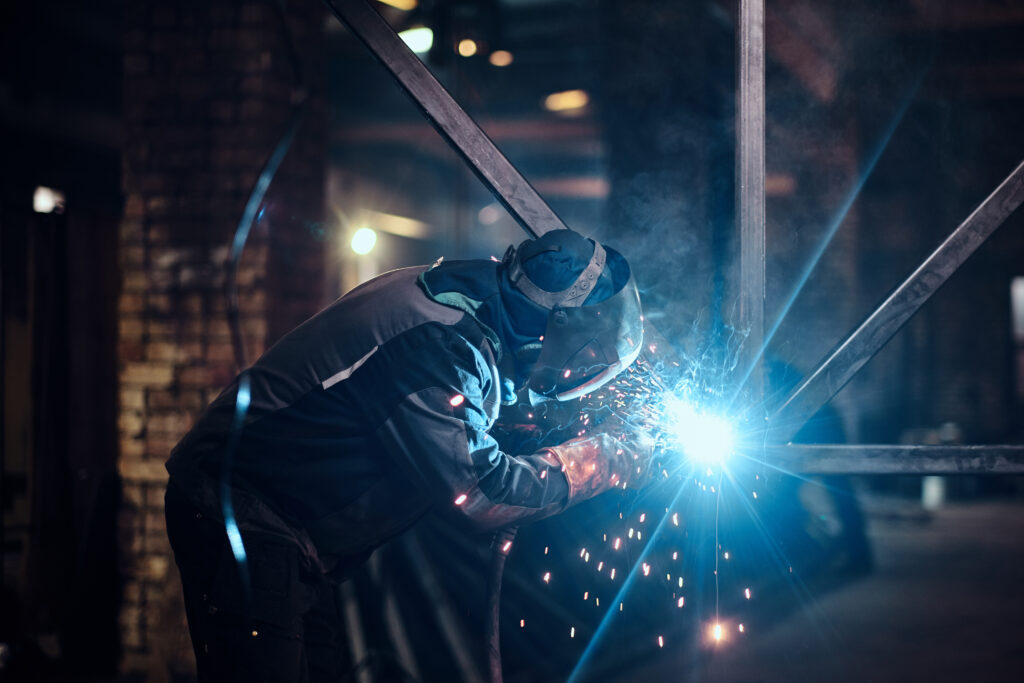
Introduction
- The cornerstone of the manufacturing sector, heavy fabrication can transform raw metal sheets into components of desired shapes or patterns. This advanced technique focuses on creating firmly built metal components while maintaining their quality and structural integrity.
- The production seems simple. But the workforce, supply, and technological demands together create a complex ecosystem that may disrupt the entire manufacturing process. So, heavy fabrication challenges require sophisticated yet actionable solutions as compared to normal fabrication.
Let’s explore this blog post to address the major challenges in heavy fabrication and the suggested solutions to boost the production flow!
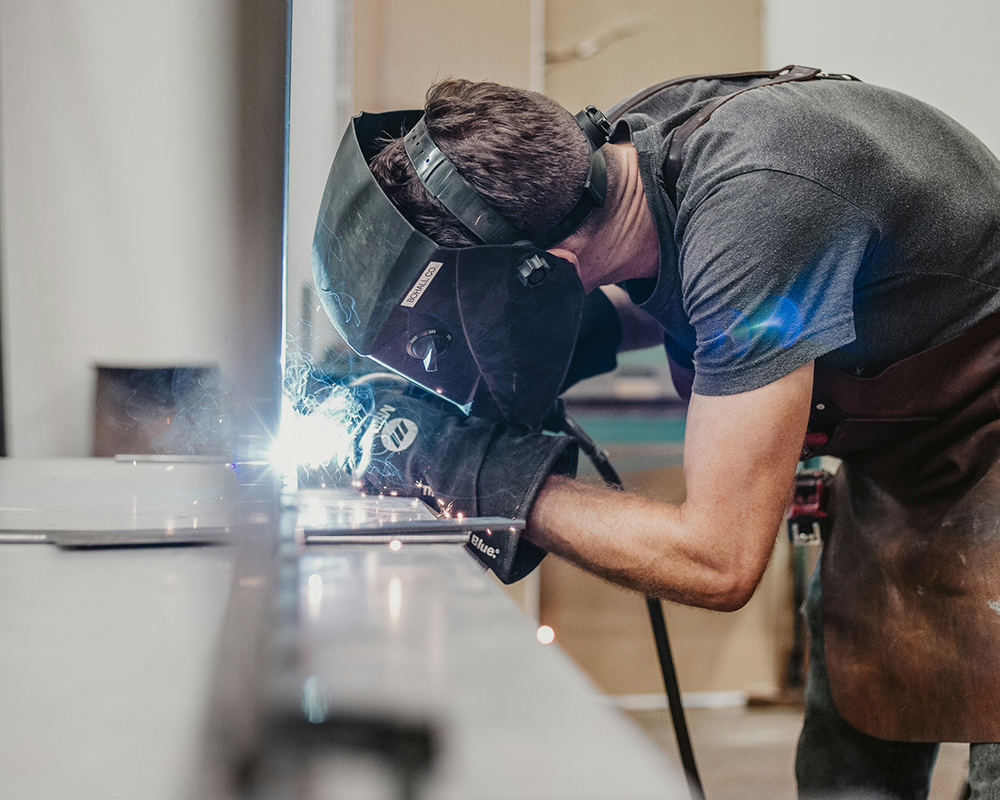
Major Challenges in Heavy Fabrication
- As previously mentioned, manufacturing units face numerous challenges that can adversely affect their workflows and hinder their journey towards achieving their goals.
- In the realm of heavy fabrication, these challenges are particularly pronounced, often stemming from difficulties in integrating cutting-edge digital technologies and navigating complex supply chain issues. Nevertheless, industries can significantly enhance the success of their fabrication projects by leveraging the right tools and acquiring vital information
- In this discussion, we will delve into six significant heavy-fabrication challenges commonly encountered, along with practical strategies to overcome them.
- This exploration will provide valuable insights into how these obstacles can be managed, ultimately paving the way for streamlined operations and successful project outcomes. Let’s take a closer look!
Handling and Moving Large Components
Moving extremely heavy parts is not everyone’s cup of tea. It takes strategy and trained specialists to avoid the risk of damage and safety hazards. Loading and unloading heavy-duty manufacturing components is one of the biggest challenges in heavy fabrication. It can increase the downtime, expenses, and delay production. So, what’s the solution?
- Heavy vehicles equipped with lifting features, such as cranes, rotators, and special fixtures, should be hired to handle heavy equipment safely.
- Ensure the packaging material is high-quality and durable.
- Plan ahead to choose the service that best suits your budget and requirements.
Maintaining Precision and Tolerances
A company’s reputation relies heavily on precision and tolerance levels, which, in turn, determine the product’s safety, durability, and success. Achieving the precision in heavy fabrication is quite challenging, especially when working with large welded structures. Even minor negligence in machine settings or material selection can lead to distortion due to heat and weight. Tolerance levels, if not carefully maintained, may lead to poor fit and poor functioning of fabricated parts.
Employ Skilled Manpower & Welding Expertise
Employee training should be an integral part of the metal fabrication process to ensure high quality, precision, and long-term success. The structural integrity of manufactured parts depends a lot on certified welders and trained technicians. It is also vital to incorporate specialized techniques like SAW, FCAW, and multi-pass welding to minimize operational errors.
Material Quality and Availability
Inconsistent quality is another prevalent heavy fabrication challenge that often arises during the procurement of thick plates and alloy materials. The quality issues further lead to material wastage, difficulties with cutting, welding, and bending. The main causes of inconsistent quality are:
- Material Variability in different batches
- Untrained workforce
- Equipment malfunctioning
Implementing Inspection & Quality Control
To effectively identify defects at the earliest possible stage of production, it is crucial to invest in advanced testing techniques such as Ultrasonic Testing (UT), Radiographic Testing (RT), Magnetic Particle Testing (MT), and Penetrant Testing (PT). These methods allow for precise detection of flaws that may compromise quality and safety. Furthermore, ensuring that equipment undergoes regular maintenance is essential; this maintenance should be carried out in strict adherence to industry standards set by organizations such as ISO, ASME, and AWS.
Standardizing each step of the fabrication process is vital to reducing the likelihood of errors, promoting consistency and reliability in outcomes. Additionally, it is important to prioritize the ongoing workforce training to empower them to improve their skills and expertise in their respective roles. This comprehensive approach not only improves the quality of the work but also fosters a culture of continuous improvement and excellence within the organization.
Logistics and Transportation
Logistics and transportation costs are among the most rapidly rising challenges in heavy fabrication. Transporting heavy fabricated components to clients or sites often poses challenges, including stringent regulatory compliance, OOG (overweight cargo), and exceeding legal dimensions. Time-consuming permits and approvals from national or international authorities are another roadblock. Infrastructure limitations and inadequate risk management lead to disruptions and delays across the entire workflow. Manufacturers lack real-time visibility into shipments because they lack high-tech tracking systems.
So, how to overcome challenges in heavy fabrication?
- Advance risk assessment, cost analysis & route planning
- Partnership with third-party logistics
- Integration with the latest technologies
- Implementing robust safety protocols
- Back-up plans for unseen disruptions
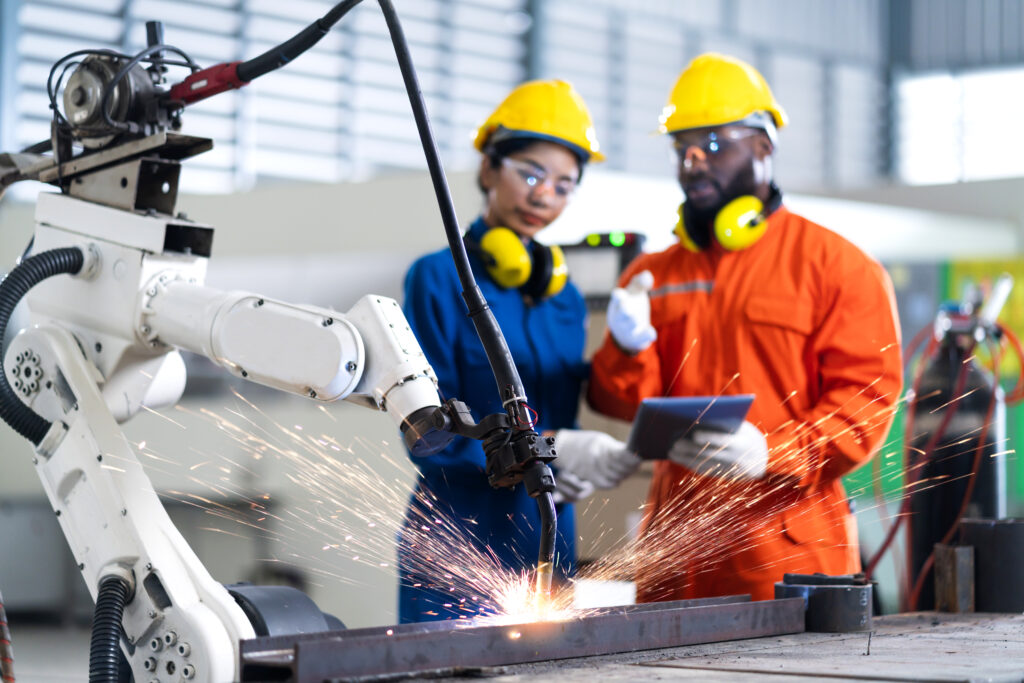
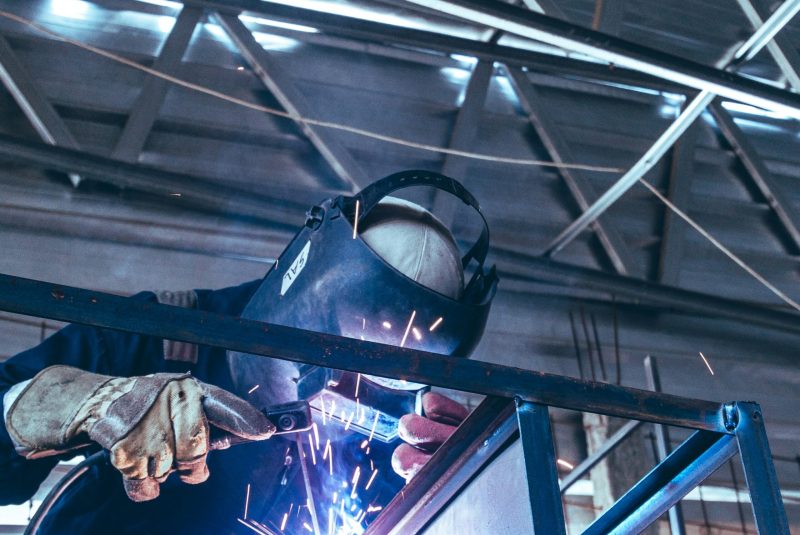
Best fabrication services by Cyclotron Industries. We offer high precision, fast and accurate fabrication solutions for any kind of metal applications
How Companies Overcome These Challenges
Heavy metal fabrication projects demand a blend of experience, expertise, state-of-the-art equipment, technology, and skilled workforce to bring out success. The absence of any element may affect quality, increase costs, or lead to other operational errors. Manufacturing companies nowadays are adopting a flexible, collaborative approach to handle complex fabrication projects. Let’s see how this approach can help address heavy fabrication challenges and bring a paradigm shift in the manufacturing of heavy equipment.
- Identify the goals, budgets, capacities, and timelines for the heavy fabrication projects.
- Proper project planning, fixturing, and process control.
- Use of automation, CNC machines, and robotic welding.
- Strong safety culture and workforce training.
Conclusion
Undoubtedly, heavy fabrication is a complex process that requires proper planning, quality systems, expertise, and state-of-the-art technology to achieve precision. Despite many challenges, heavy fabrication enables critical infrastructure & industrial growth.
To overcome the challenges in heavy fabrication, it is important to identify the root causes, such as quality inconsistencies, unskilled labor, or logistics issues. If you are looking for heavy metal fabricators in Pune or India, Cyclotron industries is the best platform offering the modern fabrication services for all types of materials. Contact today!
Cyclotron group clients
Best fabrication services by Cyclotron Industries. We offer high precision, fast and accurate fabrication solutions for any kind of metal applications
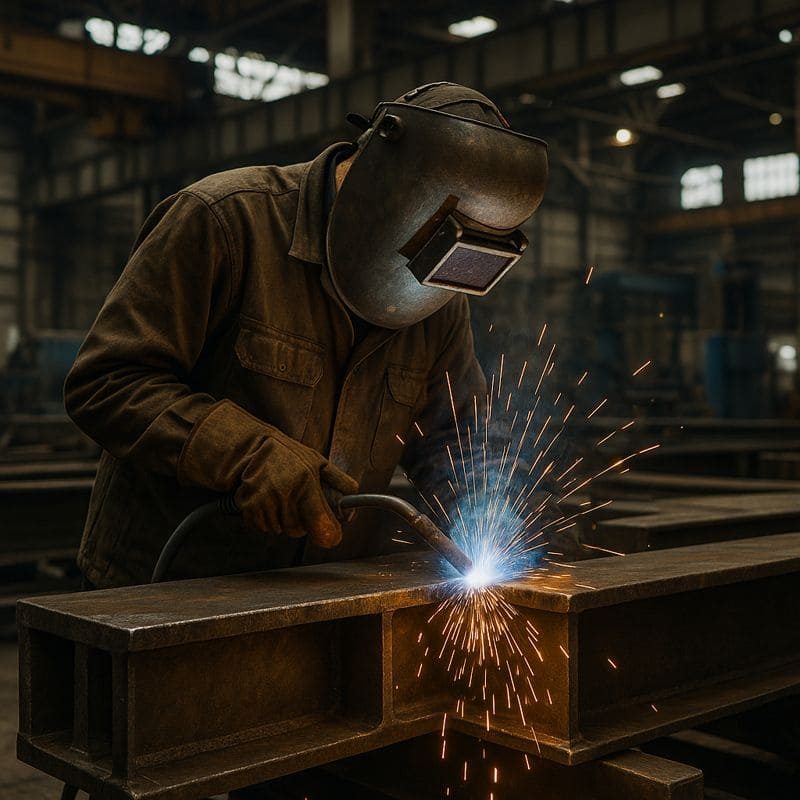
Heavy fabrication plays a vital role in modern manufacturing, especially in industries that depend on large, strong, and long-lasting metal structures.
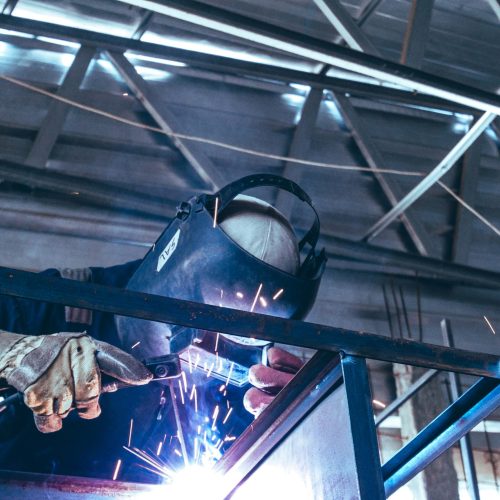
Everything about how ai for improving laser cutting is used worldwide. Iot and ai have been transforming the metal cutting industry and it’s trends.
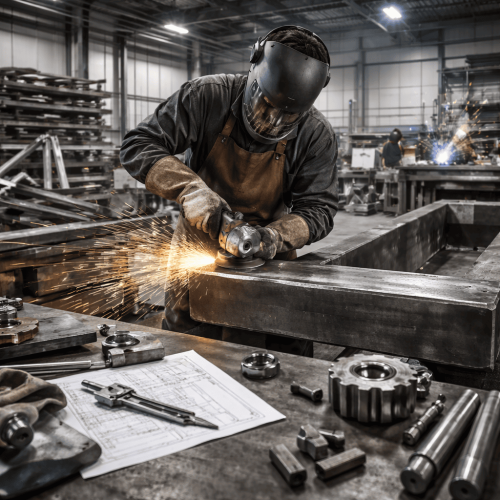
Metal fabrication transforms raw metal into functional, dependable products through a structured sequence of processes